


 Home Page


 0850 480 80 84


Which is the Best Electric Grill?
05.07.2025Choosing the best electric grill depends on several key factors such as intended use, available space, desired features...
Choosing the best electric grill depends on several key factors such as intended use, available space, desired features, and budget. In today’s world, where convenience and eco-friendliness are increasingly important, electric grills offer an efficient and versatile solution for both indoor and outdoor cooking. Unlike traditional charcoal or gas grills, electric grills operate with a simple plug-and-play system, eliminating the mess, smoke, and complicated setup. This guide will help you understand what electric grills are, explore their benefits and features, learn where they are commonly used, and examine their costs. With this knowledge, you’ll be better equipped to decide which model is the best fit for your lifestyle.
What is an Electric Grill?
An electric grill is a cooking appliance that uses electricity to generate heat instead of gas or charcoal. It consists of heating elements positioned beneath a cooking surface, typically non-stick, that evenly distributes heat to cook food like meats, vegetables, or sandwiches. The simplicity of its operation—just plug it in and turn it on—makes it a highly popular option for urban dwellers, small households, and those who prefer a smoke-free cooking environment.
Electric grills come in various shapes and sizes, ranging from compact countertop units to larger freestanding versions. Their portability and ease of use make them ideal for apartments, balconies, dorm rooms, and even office kitchens. Because they don’t produce open flames or excessive smoke, electric grills are often permitted in places where other grill types are banned.
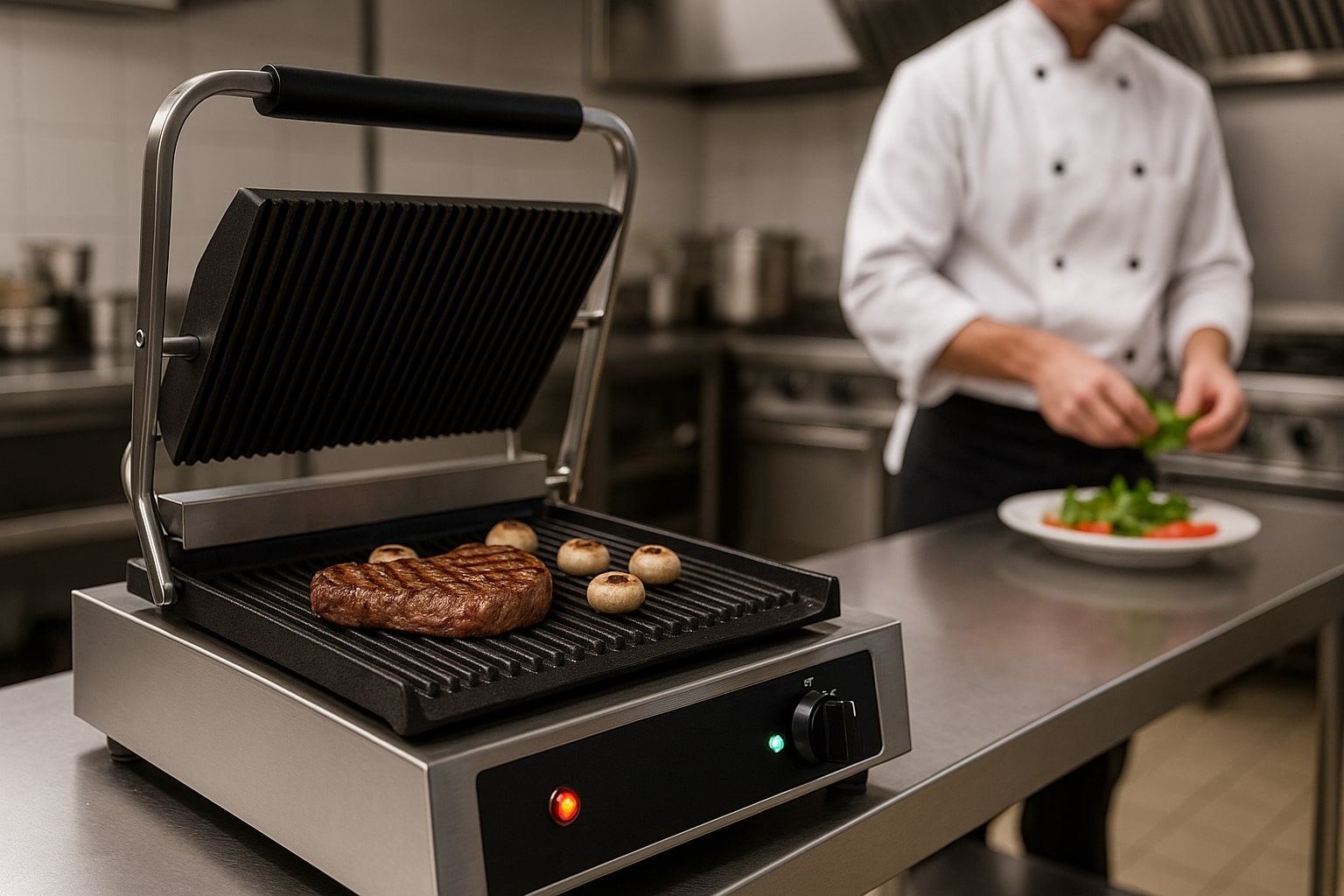
Modern electric grills may include advanced features like temperature control dials, removable drip trays, indicator lights, and even smart controls for precision cooking. These conveniences contribute to their rising popularity among health-conscious and time-saving home cooks.
What Are the Advantages of Using an Electric Grill?
Electric grills offer numerous advantages that cater to both convenience and healthy living. One of their biggest strengths is the ease of use. With no need for charcoal, propane, or matches, the cooking process is simplified. Just plug in the grill, set the desired temperature, and you're ready to cook. This makes electric grills particularly useful for beginners or those looking for a hassle-free solution.
Health benefits are another significant advantage. Since electric grills don’t require added fats or oils and often include grease-draining features, they help reduce calorie intake and support healthier eating habits. Moreover, cooking without smoke lowers the risk of exposure to carcinogens commonly found in charred or heavily smoked food.
From an environmental perspective, electric grills are cleaner and more energy-efficient than their gas or charcoal counterparts. Many models heat up quickly and maintain consistent temperatures, reducing cooking time and energy usage. Safety is also enhanced—there’s no risk of gas leaks or flare-ups, making electric grills a safer choice, especially for indoor use.
Finally, maintenance is much easier. Most electric grills have non-stick surfaces and removable trays that are dishwasher-safe, allowing for a quick and simple cleanup. These benefits make electric grills an attractive option for busy families, students, and anyone seeking a balance between practicality and performance.
Where Are Electric Grills Used?
Electric grills are used in a wide range of settings due to their flexibility and portability. In residential environments, they’re commonly found in apartments, condominiums, and houses where outdoor grilling might not be feasible or permitted. Balconies, patios, and even kitchen counters become ideal grilling stations with the use of electric models.
For outdoor events like picnics or camping trips, portable electric grills can be powered via extension cords or generators, providing a convenient solution without the mess of charcoal or the hazard of open flames. Their compact size and lightweight design make them easy to transport and set up.
In commercial spaces, such as cafes, food trucks, or small restaurants, electric grills are appreciated for their ability to cook evenly and cleanly in confined or well-regulated areas. Since they don’t emit large amounts of smoke, they are particularly suitable for indoor food preparation where ventilation may be limited.
Even corporate offices and break rooms have embraced electric grills for quick lunchtime options or team gatherings. Their user-friendly nature allows virtually anyone to prepare grilled food without special training. Overall, the versatility of electric grills makes them suitable for a wide variety of environments, both personal and professional.
What Are the Features of Electric Grills?
Electric grills come equipped with various features designed to enhance cooking efficiency, safety, and user experience. One of the most valued features is adjustable temperature control, which enables users to fine-tune the heat level for different types of food—whether searing steaks or gently grilling vegetables. This ensures precise cooking without overcooking or burning.
Another common feature is non-stick cooking plates, which allow food to release easily and reduce the need for added oils. This not only supports healthier cooking but also makes cleaning much simpler. Some models even have removable plates or drip trays that are dishwasher-safe, further streamlining the post-meal cleanup process.
Smoke reduction technology is a feature increasingly found in high-end models, allowing for nearly smoke-free grilling indoors. In some units, built-in fans or specially designed heating elements reduce smoke production, making them perfect for closed spaces.
Multi-functionality is another advantage. Certain electric grills are designed to perform multiple roles, such as toasting, grilling, and even baking. Interchangeable plates or dual cooking zones allow users to cook different foods at the same time, making meal prep faster and more efficient.
Safety features are also essential. Many electric grills are equipped with auto shut-off functions, cool-touch exteriors, and overheat protection mechanisms to prevent accidents. These additions not only make grilling safer for households with children but also offer peace of mind to all users.
Overall, the combination of convenience, performance, and innovation in electric grills makes them a modern must-have for food enthusiasts and everyday cooks alike.
How Much Do Electric Grills Cost?
Understanding the cost of electric grills involves more than just looking at the price tag. Various elements contribute to the overall expense, including the grill’s design, size, functionality, brand reputation, and additional features. Instead of focusing on specific prices, it’s more useful to explore the factors that can influence how much you may need to invest.
For instance, a grill with advanced capabilities such as digital temperature controls, removable cooking plates, and smoke-reduction technology may be more expensive than a basic model with manual settings. Similarly, well-known brands that are recognized for quality, durability, and customer support may offer products at a higher cost compared to lesser-known alternatives.
Aside from the initial purchase, long-term operational considerations—like electricity consumption, maintenance requirements, and the availability of replacement parts—can also affect the total cost of ownership. A model that consumes more energy or requires frequent cleaning or servicing may result in higher ongoing expenses.
When choosing an electric grill, it’s essential to align your expectations with your needs. If you grill frequently or cook for larger groups, investing in a durable, feature-rich model may provide better value over time. On the other hand, occasional users or those with limited space might prioritize compactness and simplicity.
Ultimately, the best approach is to evaluate which features are essential for your lifestyle and cooking habits, and then compare options that meet those needs within your available budget—without being influenced solely by brand names or superficial add-ons.


