


 Home Page


 0850 480 80 84


What Is a Griddle and Where Is It Used?
04.08.2025A griddle is a versatile cooking surface that provides a flat, heated area for preparing a wide variety of foods. Unlike traditional...
A griddle is a versatile cooking surface that provides a flat, heated area for preparing a wide variety of foods. Unlike traditional pans or skillets, griddles are large, flat plates—often made of cast iron, steel, or non-stick materials—that distribute heat evenly across their surface. This allows for the simultaneous cooking of multiple items such as pancakes, eggs, bacon, burgers, vegetables, and more. Griddles are commonly found in both home and commercial kitchens, including diners, restaurants, and food trucks. In professional settings, they are essential for high-volume cooking and efficiency, while at home, electric or stovetop griddles offer a convenient way to prepare breakfast or grilled dishes with minimal cleanup. Whether built into a range or used as a standalone appliance, griddles have become a staple in modern cooking thanks to their functionality and ease of use. So, what exactly makes a griddle so indispensable? Let’s explore its features and applications.
What Is a Griddle?
A griddle is a flat, broad cooking surface that is heated from below and used to cook various types of food. It differs from traditional frying pans in that it has a much larger surface area and usually lacks raised sides, making it ideal for preparing multiple items at once. Griddles can be built into stoves, attached as countertop appliances, or found as part of larger commercial cooking equipment. Commonly made from materials like cast iron, stainless steel, or aluminum, a griddle’s strength lies in its ability to provide even heat distribution across the entire surface, ensuring uniform cooking without hot or cold spots.
In home kitchens, griddles are often used for breakfast items such as pancakes, eggs, and bacon. In commercial settings, they are indispensable for preparing large quantities of food quickly and efficiently. Their smooth surface also makes them easy to clean, and many modern models include grease traps or channels to collect excess oil, making them a hygienic choice for regular use.
How Is a Griddle Used?
Using a griddle is straightforward and doesn’t require advanced cooking skills, making it accessible for both beginners and professional chefs. First, the surface is preheated—either on a stovetop burner, through built-in electric elements, or with gas flames—until it reaches the desired cooking temperature. Once hot, a small amount of oil or butter can be applied to prevent sticking, depending on the food and griddle material.
Foods are placed directly on the surface and monitored closely, as griddles tend to cook faster than traditional pans due to their broad heat exposure. Unlike grills, griddles do not leave sear marks, but they provide consistent browning and allow for delicate control over items like eggs or thin pancakes. It's important to avoid overcrowding the surface to ensure each item cooks evenly.
Griddles also excel at cooking in batches. After use, they should be wiped down with a damp cloth or scraper while still warm to remove food residues. Some griddles also come with removable plates for easier cleaning. Whether preparing a quick breakfast or a complex meal, the griddle streamlines the process through its size, versatility, and ease of use.
Are Griddles Reliable?
Griddles are widely regarded as highly reliable cooking appliances, especially when maintained and used correctly. Their sturdy construction and simple design reduce the likelihood of mechanical failure, particularly in cast iron and stainless steel models that can last for decades. The reliability of a griddle often depends on its material, heating mechanism, and how well it is cared for.
High-quality electric griddles offer precise temperature control, which is a major benefit for foods that require consistent cooking. Gas griddles heat up more quickly but may have uneven hot spots if not built properly. In either case, routine maintenance such as cleaning the surface, checking heating elements, and storing in a dry area helps preserve functionality.
Users also find griddles reliable because of their consistent performance over time. Unlike non-stick pans that wear out or lose their coating, a well-maintained griddle can offer uniform results meal after meal. For busy kitchens—both home and commercial—a dependable griddle can significantly improve cooking efficiency, making it a staple tool that chefs trust.
What Are the Types of Griddles?
Griddles come in various types, each suited for different cooking environments and user needs. Understanding these types can help you choose the most appropriate griddle for your kitchen:
- Stovetop Griddles: These are portable, rectangular or round griddles placed directly on gas or electric burners. They're popular in home kitchens due to their affordability and ease of use.
- Electric Griddles: Self-heating griddles that plug into a power source. They are ideal for countertop use, especially when stove space is limited. Many come with temperature controls and non-stick surfaces.
- Gas Griddles: Common in professional kitchens, gas griddles offer rapid heat-up times and are great for high-volume cooking. They are built into commercial ranges or exist as standalone units.
- Built-in or Commercial Griddles: Often seen in restaurants, these heavy-duty griddles are integrated into commercial kitchen setups and can handle large quantities of food efficiently.
- Outdoor Griddles: Designed for grilling outdoors, these models are built for durability and portability, making them ideal for events or camping trips.
Each griddle type has its pros and cons depending on the frequency and scale of cooking. From home breakfasts to professional brunch service, there's a griddle designed to meet the challenge.
Where Are Griddles Used?
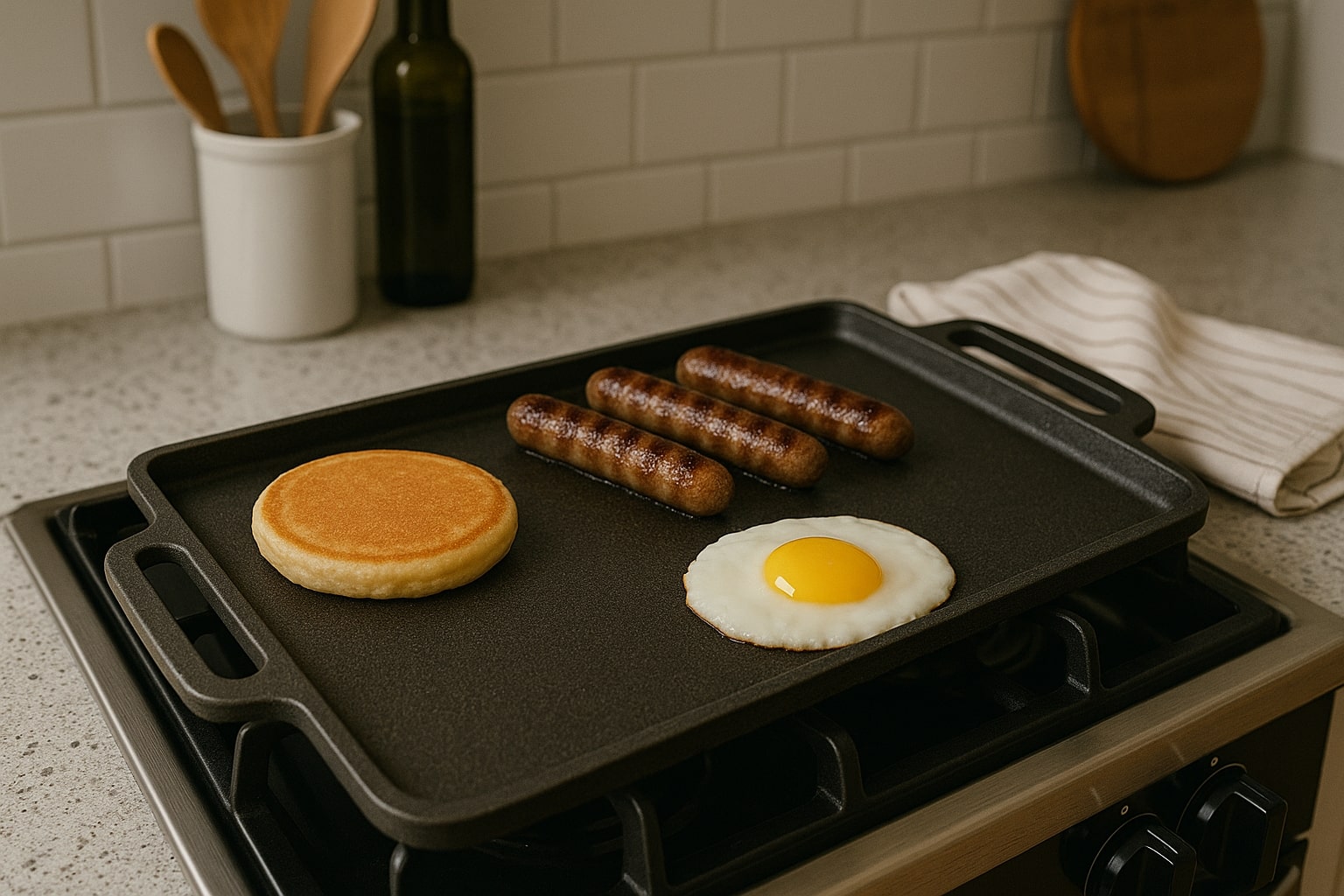
Griddles are used in a wide variety of settings thanks to their versatility and ability to handle different cooking tasks. In home kitchens, they are a favorite for making breakfast foods like pancakes, omelets, and French toast. Their flat surface allows for efficient cooking and easy cleanup, especially in electric countertop models.
In commercial environments such as diners, cafés, and fast-food restaurants, griddles are essential equipment. They enable chefs to cook multiple items simultaneously, ensuring quick service during peak hours. Griddles are also popular in food trucks and catering services, where space is limited but cooking capacity must remain high.
Outdoor cooking enthusiasts use portable griddles during camping or backyard grilling. These models offer a practical solution for preparing large meals outside without the need for bulky cookware.
Modern restaurant kitchens often integrate commercial electric grill setups, which include griddles as part of their modular cooking systems. These allow for precise control over temperature and help maintain hygiene standards with easy-to-clean designs. Overall, from casual to professional use, griddles are found wherever efficiency, consistency, and multitasking in cooking are required.
What Can Be Cooked on a Griddle?
A griddle’s broad, flat surface is perfect for preparing a wide variety of dishes across different cuisines. One of its key advantages is its ability to cook multiple items simultaneously without flavor crossover. Here are some popular food options commonly made on a griddle:
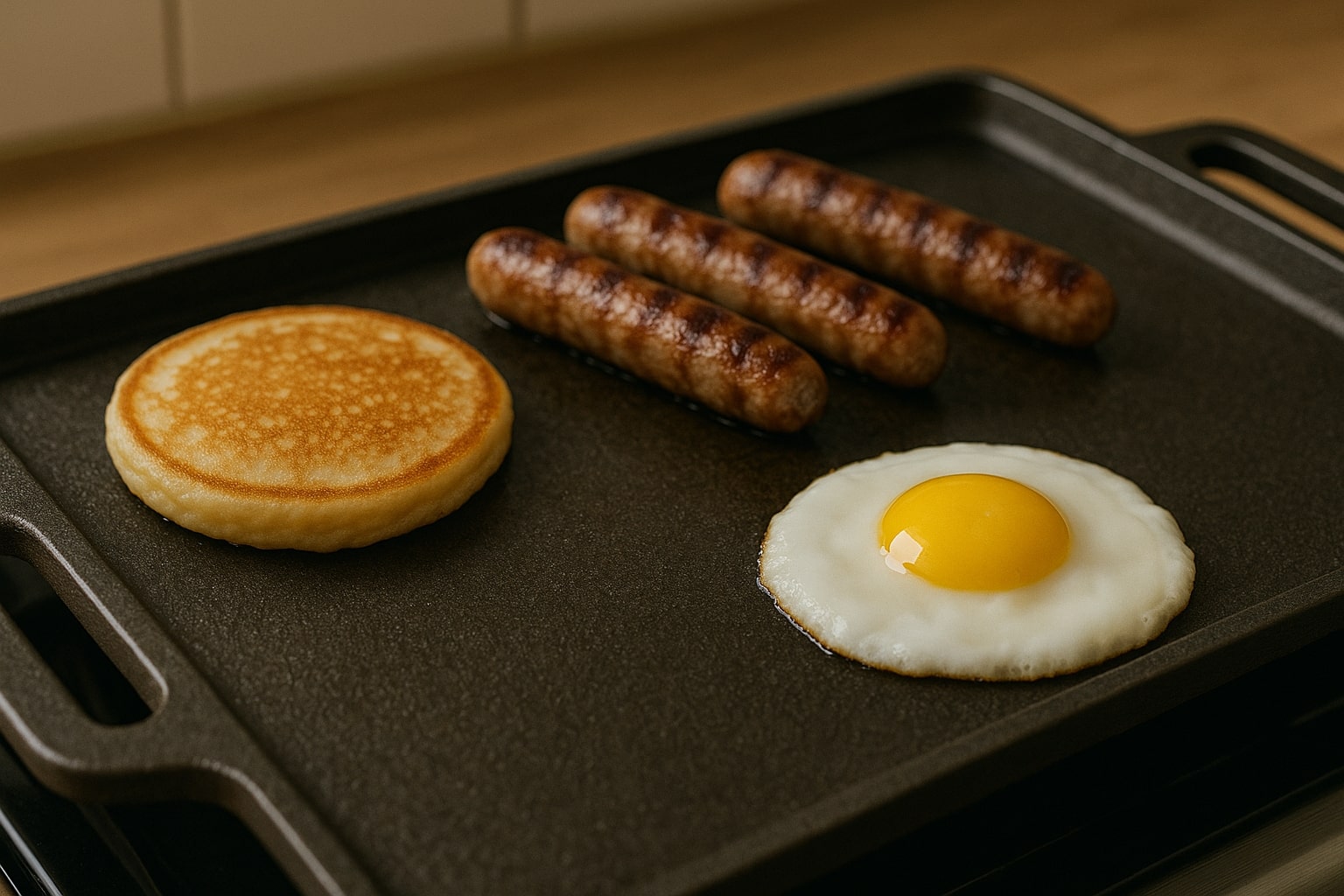
- Breakfast Foods: Pancakes, eggs (scrambled, fried, or omelets), bacon, sausage links, and hash browns.
- Lunch & Dinner Items: Burgers, grilled cheese sandwiches, quesadillas, chicken breasts, and sautéed vegetables.
- Snacks & Street Food: Flatbreads, crepes, tortillas, and even stir-fried noodles or dumplings in certain cuisines.
Griddles are also excellent for toasting buns, caramelizing onions, or searing fish fillets without the intense heat of a grill. The large surface area gives you the freedom to cook in batches, making it perfect for family meals or busy service hours.
With a commercial electric grill setup, the variety expands even further, supporting continuous cooking without sacrificing consistency. From breakfast rushes to gourmet dinner prep, griddles deliver flexibility and flavor with every use.


