


 Home Page


 0850 480 80 84


What are the Advantages of Industrial Ovens?
25.04.2025In today’s fast-paced manufacturing and food production environments, efficiency and consistency are everything—and that’s where industrial ovens...
In today’s fast-paced manufacturing and food production environments, efficiency and consistency are everything—and that’s where industrial ovens come into play. These powerful machines are designed to handle high-volume baking, drying, or curing processes with remarkable precision. Whether you're running a industrial kitchen, a food processing facility, or even a specialized production plant, industrial ovens can significantly streamline operations. One of their biggest advantages is uniform heat distribution, which ensures that every product meets quality standards. They're also built for durability, with the ability to withstand constant, long-term use. From energy efficiency to automation compatibility, industrial ovens offer a range of benefits that make them a smart investment for businesses aiming to scale up or optimize production. In this blog, we’ll take a closer look at the key advantages of industrial ovens and why they continue to be a backbone of industrial-grade operations across various sectors.
What are the Features of Industrial Ovens?
Industrial ovens are engineered to meet the demanding needs of large-scale production environments. Their robust design, precision control systems, and adaptability make them an essential component in industries ranging from food processing to pharmaceuticals and electronics. Unlike conventional ovens, industrial ovens are tailored to deliver consistent performance under continuous use, often operating around the clock without compromising product quality.
One of the standout features of industrial ovens is their temperature control accuracy. Advanced digital thermostats and programmable logic controllers (PLCs) allow for fine-tuned adjustments, ensuring that every batch is processed under optimal conditions. Additionally, they come in various sizes and configurations to suit specific industry requirements—such as conveyor ovens for continuous production or batch ovens for more controlled processing.
Key features of industrial ovens include:
- Uniform Heat Distribution: Ensures consistent results across all products.
- Energy Efficiency: Many models are designed to minimize energy consumption.
- Customizable Settings: Allows for different time, temperature, and airflow adjustments.
- Durability: Built with high-quality materials to withstand harsh industrial conditions.
- Safety Features: Equipped with automatic shut-offs, alarms, and ventilation systems.
These features not only improve operational efficiency but also enhance safety and product quality, making industrial ovens a vital investment for any production-focused business.
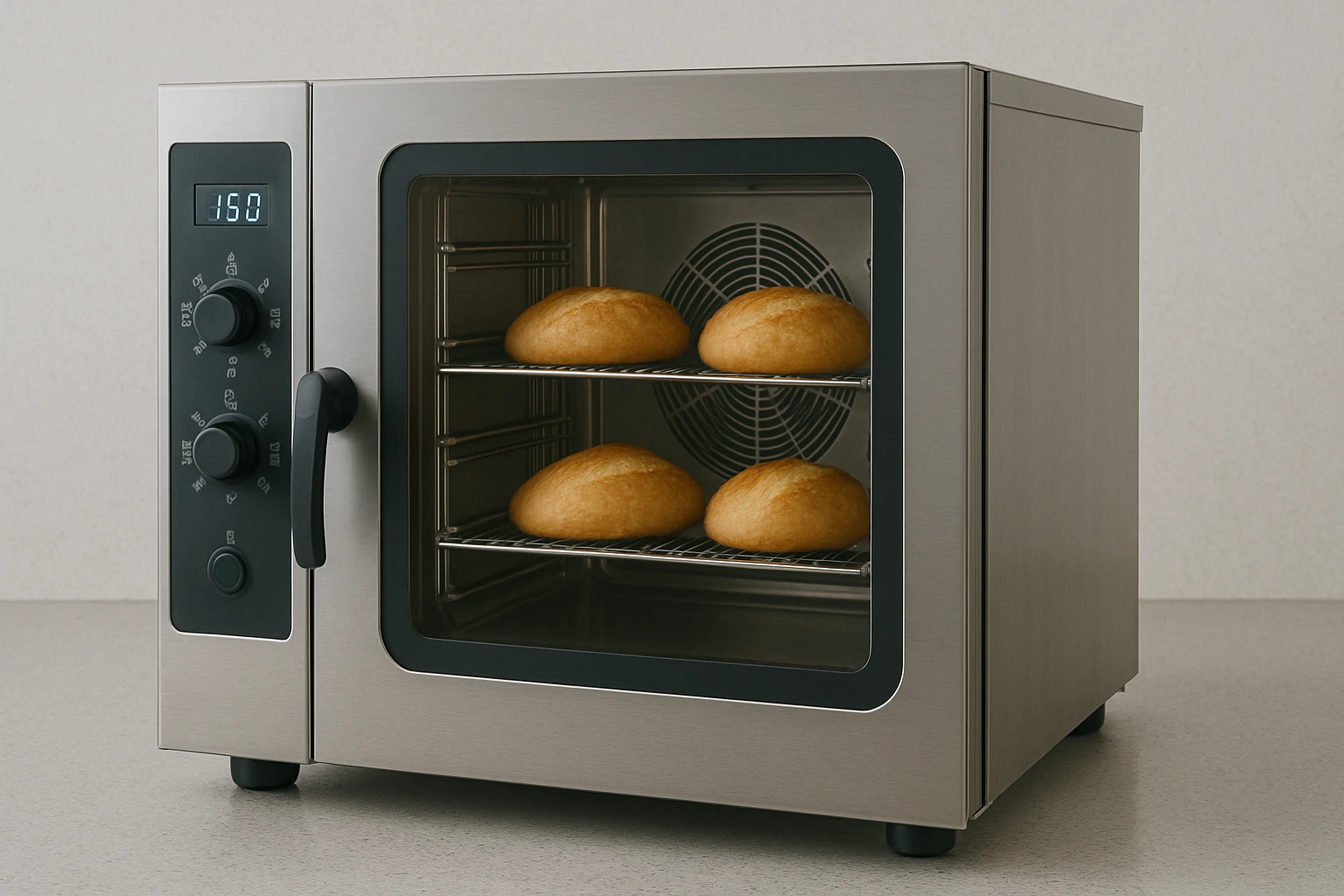
Do Industrial Ovens Increase Efficiency?
Absolutely—industrial ovens are specifically designed to boost efficiency across various production processes. By providing precise temperature control and consistent heating, they reduce the chances of errors, rework, and product waste. This leads to smoother operations and higher output in less time, making them an ideal solution for businesses aiming to scale production without compromising quality.
Their ability to operate continuously, often 24/7, also contributes to increased efficiency. Unlike traditional ovens, which may require longer heating times or frequent maintenance, industrial ovens are built for endurance and minimal downtime. Features like programmable settings, conveyor systems, and automation compatibility further streamline workflows, reducing manual labor and increasing throughput.
In industries where time and consistency are critical—such as food processing, pharmaceuticals, and manufacturing—industrial ovens help maintain productivity while optimizing energy usage. As a result, they not only speed up operations but also lower long-term operational costs, making them a key asset in efficient, high-volume production environments.
Why Should We Buy an Industrial Oven?
Investing in an industrial oven is a strategic move for any business involved in large-scale production, whether in food processing, manufacturing, or laboratory work. These ovens are built to handle high volumes with speed, precision, and reliability—ensuring that every product meets strict quality standards. If consistency, durability, and efficiency are priorities for your operation, an industrial oven is a must-have.
One of the most compelling reasons to buy an industrial oven is its ability to streamline production. With features like uniform heat distribution, energy-efficient operation, and customizable controls, these ovens minimize waste, reduce human error, and improve turnaround time.
Moreover, industrial ovens are designed for long-term use, with minimal maintenance requirements, saving you money and time in the long run. Whether you’re scaling up production or seeking better control over your processes, purchasing an industrial oven provides the performance and dependability needed to support growth and maintain competitive advantage.


