


 Home Page


 0850 480 80 84


How to Design an Industrial Kitchen?
20.10.2025Designing an industrial kitchen is all about creating an efficient, safe, and durable environment...
Designing an industrial kitchen is all about creating an efficient, safe, and durable environment for large-scale food preparation. These kitchens must balance functionality with hygiene, allowing chefs and staff to work quickly without compromising quality or safety. Whether in a restaurant, hotel, or catering facility, a well-designed industrial kitchen directly impacts productivity and customer satisfaction.
What Is Industrial Kitchen Design?
Industrial kitchen design refers to the planning and arrangement of commercial cooking spaces used in professional environments such as restaurants, cafeterias, and hotels. The goal is to optimize workflow, minimize energy consumption, and maintain hygiene standards required by food safety regulations.
Unlike residential kitchens, these spaces are designed to handle intense daily use. They include heavy-duty equipment, stainless steel surfaces, and specialized zones for preparation, cooking, cleaning, and storage. Every element—from ventilation to waste management—is carefully planned to support seamless operation.
An effective industrial kitchen layout often follows the “work triangle” principle, where movement between the sink, cooking area, and storage zones is quick and unobstructed. This design philosophy reduces clutter, increases efficiency, and improves safety for the kitchen staff.
How to Design an Industrial Kitchen?
Designing an industrial kitchen starts with understanding the kitchen’s purpose, capacity, and menu. Every layout must suit the specific workflow of the business. For example, a bakery requires more workspace for mixing and baking, while a hotel kitchen needs separate zones for breakfast, lunch, and dinner preparation.
Key steps in designing an efficient industrial kitchen include:
- Assessing the Space: Begin with accurate measurements of the available area. This helps determine how much equipment can fit without creating congestion.
- Defining Workflow Zones: Divide the kitchen into functional areas such as food prep, cooking, dishwashing, and cold storage. Clear separation reduces cross-contamination and improves organization.
- Selecting Durable Materials: Stainless steel, epoxy flooring, and heat-resistant walls are essential for hygiene and long-term durability.
- Ensuring Proper Ventilation: High-quality ventilation systems are critical to control heat, smoke, and odors. A well-ventilated space also enhances employee comfort.
- Prioritizing Safety: Non-slip floors, accessible fire extinguishers, and visible exit routes should always be part of the design.
Lighting also plays a vital role—bright, shadow-free illumination supports precision and prevents accidents. In modern setups, integrating smart equipment with energy-efficient systems further boosts performance while lowering operational costs.
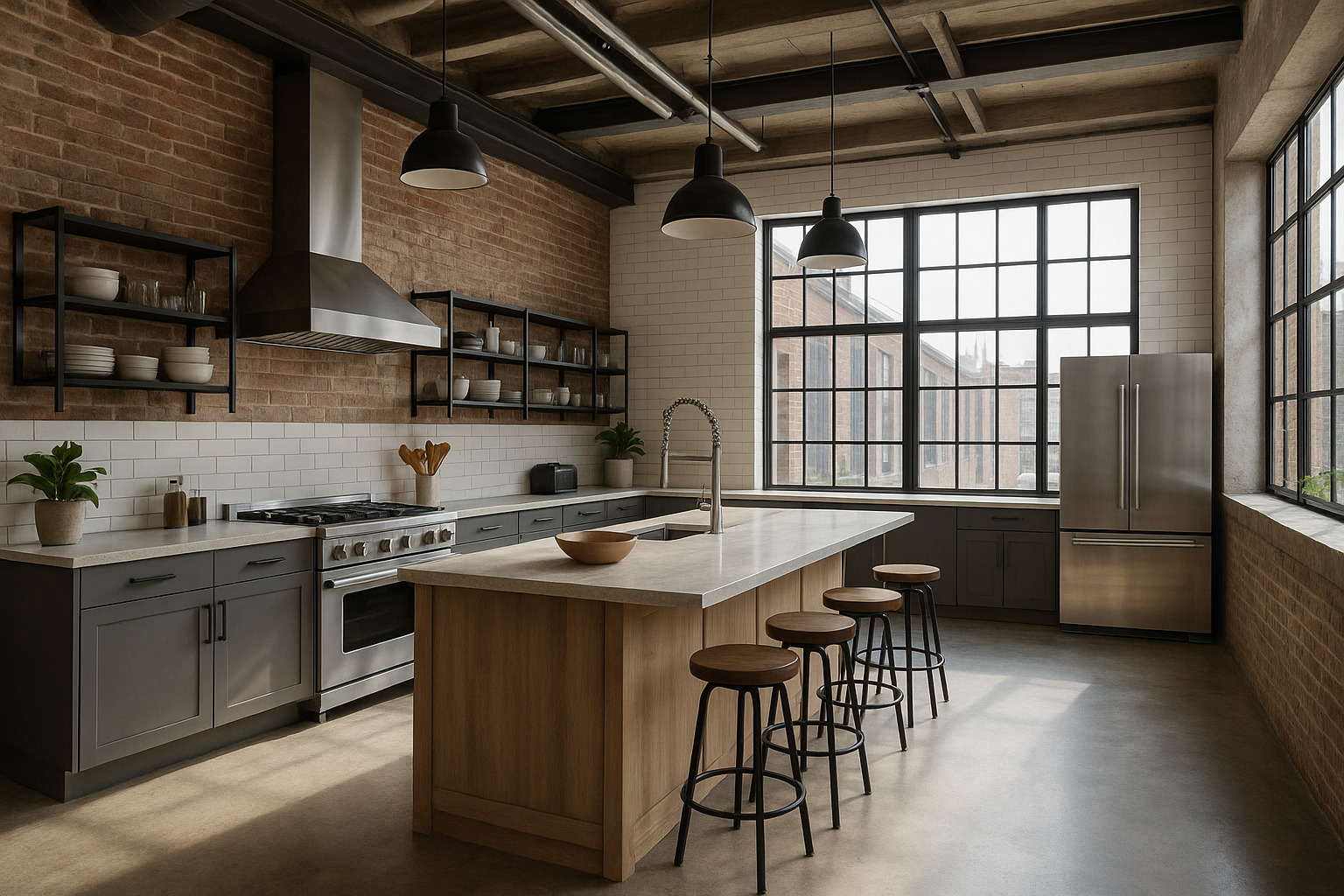
Why Is Industrial Kitchen Design Important?
The importance of industrial kitchen design lies in its impact on efficiency, safety, and profitability. A poorly planned kitchen leads to workflow bottlenecks, wasted resources, and increased risk of accidents. On the other hand, a well-structured space ensures smooth coordination among chefs, waiters, and cleaning staff.
Proper design enhances:
- Operational Efficiency: Strategic layout minimizes unnecessary movement and speeds up meal preparation.
- Hygiene and Compliance: Easy-to-clean materials and adequate spacing prevent contamination and meet food safety regulations.
- Employee Morale: A comfortable, ergonomic environment reduces stress and fatigue during long working hours.
- Energy Savings: Thoughtful placement of appliances lowers energy consumption and maintenance costs.
For instance, placing cooling systems away from cooking stations prevents equipment from overheating, extending its lifespan. In short, good design is not just about aesthetics—it’s a business necessity.
Where Is Industrial Kitchen Design Applied?
Industrial kitchen design is applied across various commercial and institutional settings. The scale and layout differ depending on the establishment’s needs, but the principles remain consistent—efficiency, hygiene, and durability.
Common applications include:
- Restaurants and Cafés: Compact yet efficient kitchens optimized for speed and consistency.
- Hotels and Resorts: Large-scale kitchens divided into departments like pastry, hot dishes, and banquet services.
- Hospitals and Schools: Designed for bulk meal production with strict hygiene protocols.
- Catering Facilities: Mobile or fixed units tailored for mass food preparation during events.
- Factories and Corporate Canteens: Focused on handling high volumes while maintaining nutritional standards.
Real-world examples show that hotels adopting modular kitchen systems have reduced setup time and improved workflow efficiency by up to 30%. Such results underline how thoughtful planning transforms everyday operations.
An industrial kitchen’s design determines how smoothly a food service business operates. From layout and material choice to ventilation and safety, every decision shapes performance and hygiene. Businesses that invest in professional planning not only improve productivity but also enhance their long-term profitability. For any commercial food operation aiming for success, understanding how to design an industrial kitchen is the foundation of excellence.


