


 Home Page


 0850 480 80 84


What Equipment is Used in a Bakery?
01.07.2025Running a successful bakery requires more than just passion and skill; it demands a well-equipped kitchen designed for...
Running a successful bakery requires more than just passion and skill; it demands a well-equipped kitchen designed for precision, efficiency, and consistency. From the early stages of dough preparation to baking, proofing, cooling, and storing, every step relies on specific tools and machines. Whether you're setting up a small artisan bakery or operating a large-scale commercial production unit, understanding the essential bakery equipment is crucial. This guide explores the fundamental categories of bakery equipment and breaks them down into their key components to help you make informed decisions about your baking operations.
What Are the Essential Dough-Preparation Equipment?
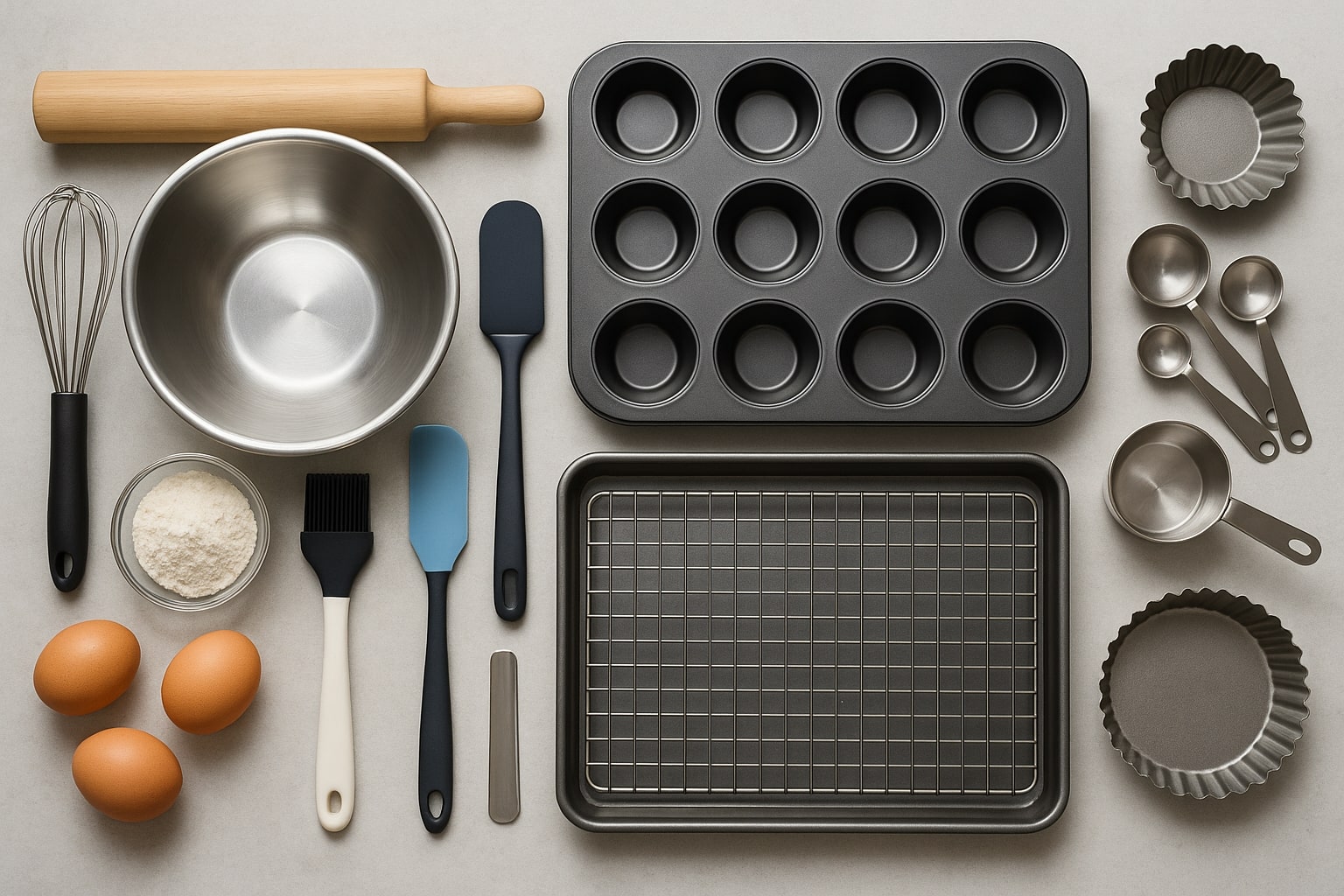
Before any baking can begin, the dough must be properly prepared. Dough preparation is one of the most critical phases in baking, as it determines the texture, rise, and overall success of the final product. The right tools not only streamline this process but also ensure consistent quality across batches. Whether it's mixing, kneading, or rolling, efficient dough preparation requires a combination of reliable equipment designed to handle various types of dough, from light batters to stiff bread mixes. Below, we explore two essential categories in this stage of production.
Mixers
Mixers are at the heart of dough preparation. These machines simplify and speed up the process of combining ingredients and developing gluten—key to achieving the right dough consistency. In commercial settings, spiral mixers are often preferred for bread dough due to their power and gentle mixing action that preserves dough structure. On the other hand, planetary mixers are versatile and commonly used in both bakeries and pastry kitchens as they can handle various attachments for whipping, beating, and kneading. Choosing the right mixer depends on your output capacity, dough type, and production needs. Investing in a high-quality mixer ensures consistent results and helps maintain efficiency in high-demand environments.
Dough Sheeters
Dough sheeters are designed to roll out dough to precise thicknesses, saving both time and effort compared to manual rolling. These machines are invaluable for bakeries that produce items like croissants, puff pastry, flatbreads, or pizza bases. By feeding dough through a set of adjustable rollers, sheeters create uniform sheets, which is essential for consistent baking and professional appearance. Sheeters also minimize handling, reducing the risk of overworking the dough and affecting texture. With various size options and settings available, dough sheeters can be tailored to suit small artisan shops or large-scale production facilities alike.
What Baking Equipment Is Needed?
Once the dough is ready, the baking process becomes the core of the operation. Precision, control, and consistency are key to achieving desirable results, whether you're baking crusty artisan breads or delicate pastries. Essential baking equipment must provide stable temperatures, even heat distribution, and flexible settings to accommodate different products. Below, we delve into the primary machines that bring raw dough to golden perfection.
Ovens
Ovens are arguably the most important piece of equipment in any bakery. They are responsible for turning carefully prepared dough into finished goods with the right texture, moisture, and color. Industrial ovens come in several types, including convection, deck, rotary, and tunnel ovens, each offering specific advantages. Convection ovens are known for their rapid and even heating thanks to internal fans, making them ideal for cookies, cakes, and pastries. More advanced models offer programmable controls, steam injection, and multiple baking modes, allowing bakers to fine-tune the baking environment for different recipes. Selecting the right oven depends on product type, production scale, and available space.
Deck Ovens
Deck ovens are a staple in artisanal and European-style bakeries. With stone or metal shelves (called decks), these ovens provide direct, radiant heat that mimics traditional hearth baking. Deck ovens are excellent for baking rustic breads, pizzas, and items requiring a crispy crust. One of their main benefits is independent temperature control for each deck, allowing for multiple baking processes simultaneously. This flexibility is essential in busy bakeries with diverse product lines. Moreover, deck ovens retain heat efficiently and offer uniform baking, contributing to consistent product quality across batches.
Proofing Cabinets
Proofing cabinets, or proofer boxes, play a vital role in the fermentation process. By controlling temperature and humidity levels, these cabinets create the perfect environment for yeast activation, allowing dough to rise consistently and predictably. Proper proofing affects volume, texture, and flavor, making it crucial for breads, rolls, and laminated doughs. Modern proofing cabinets offer digital controls, programmable settings, and even timers, enabling better workflow coordination in busy kitchens. Their use ensures that products rise evenly and are ready for baking at the optimal moment.
What Refrigeration and Storage Units Are Required?
In a bakery setting, efficient refrigeration and storage are just as important as the baking equipment itself. Ingredients need to be kept at optimal temperatures to preserve freshness, prevent spoilage, and maintain food safety standards. Furthermore, some doughs and batters benefit from resting or slow fermentation under controlled conditions. Here, we examine the essential refrigeration and storage solutions every bakery should consider.
Commercial Refrigerators
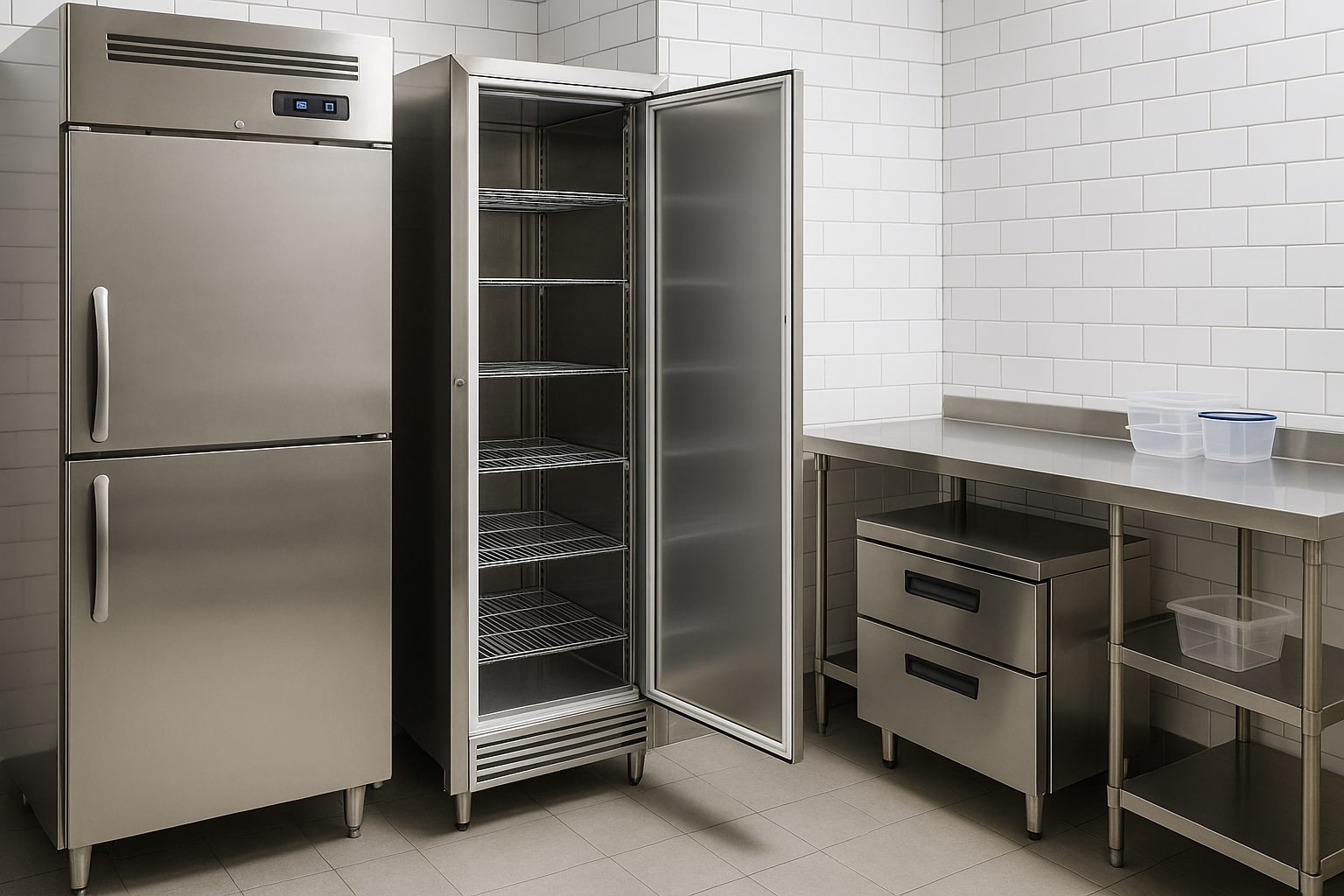
Commercial refrigerators are designed to meet the high-performance demands of bakeries. They store perishable ingredients such as eggs, cream, milk, butter, and fillings at safe temperatures, extending shelf life and reducing waste. Unlike domestic models, commercial refrigerators are built for frequent use and come with robust shelving, temperature control systems, and higher storage capacity. Many models include glass doors for visibility, stainless steel interiors for hygiene, and advanced cooling technologies for consistent temperature regulation. Choosing the right refrigerator depends on the size of your operation, the quantity of goods to store, and energy efficiency considerations.
Cold-Storage Units
Cold-storage units, including walk-in freezers and blast chillers, are essential for long-term storage and handling of sensitive products. These units maintain precise temperature levels required for freezing dough, chilling fillings, and preserving pre-baked or raw goods for future use. Cold-storage extends the usability of ingredients and finished products, providing bakeries with flexibility in managing stock and production schedules. Walk-in freezers are ideal for large operations with high-volume needs, while smaller upright freezers or chest models may suffice for smaller establishments. Advanced models often feature temperature alarms, defrost cycles, and energy-saving features to enhance operational efficiency.


