


 Home Page


 0850 480 80 84


What Are the Features of an Electric Doner Kebab Machine?
27.07.2025Electric doner kebab machines have become an essential part of modern commercial kitchens, particularly in fast-food...
Electric doner kebab machines have become an essential part of modern commercial kitchens, particularly in fast-food restaurants and kebab shops. These machines are designed to cook meat evenly and efficiently using electric heat sources instead of traditional gas burners or charcoal. One of the standout features of electric doner machines is their precise temperature control, which allows operators to maintain consistent cooking results and improve food safety. Additionally, they are often equipped with stainless steel bodies for durability and easy cleaning—an important factor in busy food service environments. Many models also include adjustable meat holders, rotating spits, and drip trays to enhance usability and hygiene. With energy-efficient components and user-friendly digital controls, electric doner kebab machines offer both performance and convenience. Whether you're running a small food cart or a large restaurant chain, understanding the key features of these machines can help you choose the right equipment for your kitchen.
Powerful Heating System
Electric doner machines are equipped with high-performance heating systems designed to deliver consistent and even cooking. Unlike traditional gas systems, electric heating elements offer precise temperature control, allowing the operator to adjust the heat output based on the thickness and type of meat being cooked. This level of precision not only improves the overall taste and texture of the meat but also reduces the risk of overcooking or undercooking.
Advanced heating systems in these machines typically use ceramic or infrared technology, which ensures uniform heat distribution across the entire meat stack. This is particularly important for commercial settings, where a steady cooking process is essential during busy service hours. The heating elements are usually placed vertically along the back of the machine, mimicking the traditional rotisserie-style cooking while maintaining modern efficiency.
Moreover, these systems often include energy-saving features such as standby modes or segmented heating zones, which help reduce electricity consumption when the machine is not in full use. In short, the powerful heating system is not only about fast cooking—it’s about smart, safe, and efficient performance tailored for professional kitchens.
High Cooking Capacity and Meat Volume
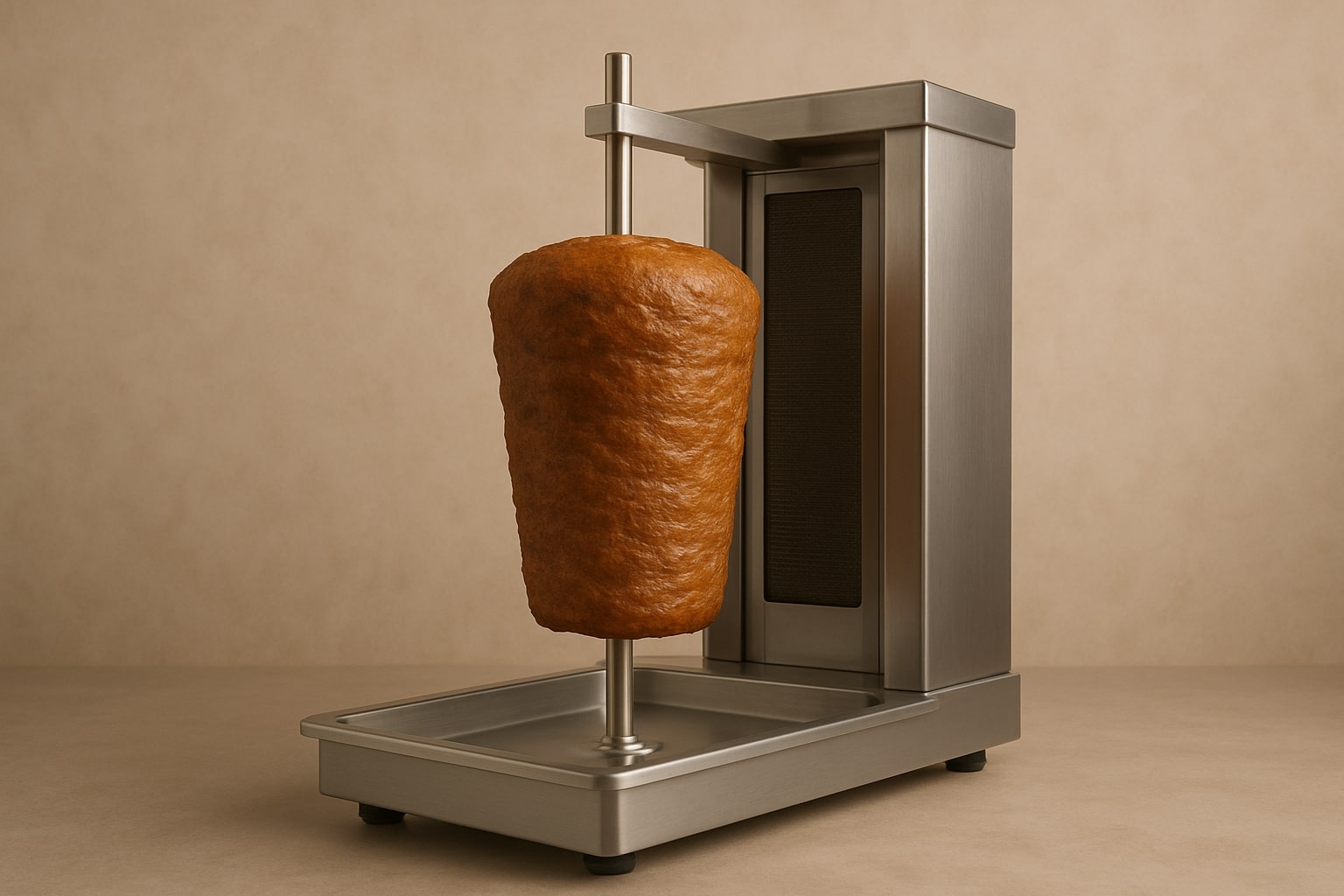
One of the most important features of an electric doner machine is its ability to handle large volumes of meat at once. This makes it an ideal choice for busy restaurants and food establishments where speed and quantity go hand in hand. Most commercial-grade models are designed to accommodate anywhere from 20 kg to over 100 kg of meat, depending on the size and configuration of the device.
Larger cooking capacity means more efficient service during peak hours, reducing wait times for customers while maximizing productivity in the kitchen. The vertical skewer is built to support heavy loads without compromising rotation or cooking performance. Many models come with adjustable meat clamps and sliding mechanisms that allow the user to shape and compress the meat stack for even roasting.
In addition to sheer volume, these machines also allow for flexible meat arrangement—whether it’s chicken, lamb, beef, or a mix. This adaptability makes them suitable for various menu styles and customer preferences. The high cooking capacity ensures that food is always ready to serve without interrupting workflow or causing kitchen bottlenecks.
High-Quality Materials and Durability Rate
Electric doner machines are typically constructed using high-quality materials such as food-grade stainless steel, which offers several benefits. Stainless steel is resistant to rust, corrosion, and heat, making it an excellent choice for equipment that is exposed to high temperatures and regular cleaning. These properties ensure that the machine maintains its structural integrity and aesthetic appearance even after prolonged use.
Durability is a major concern in commercial kitchens where equipment is used intensively throughout the day. A well-built machine not only performs better but also lasts longer, reducing the need for frequent repairs or replacements. Key components like the motor, heating element, and rotating shaft are designed to withstand heavy workloads without performance loss.
Some premium models also feature reinforced joints, thicker panels, and high-temperature-resistant wiring for extra safety and stability. When investing in a doner machine, the quality of materials directly impacts operational reliability and long-term cost efficiency. Simply put, high durability means less downtime and more consistent service, which are essential for food businesses.
Reliable System Features
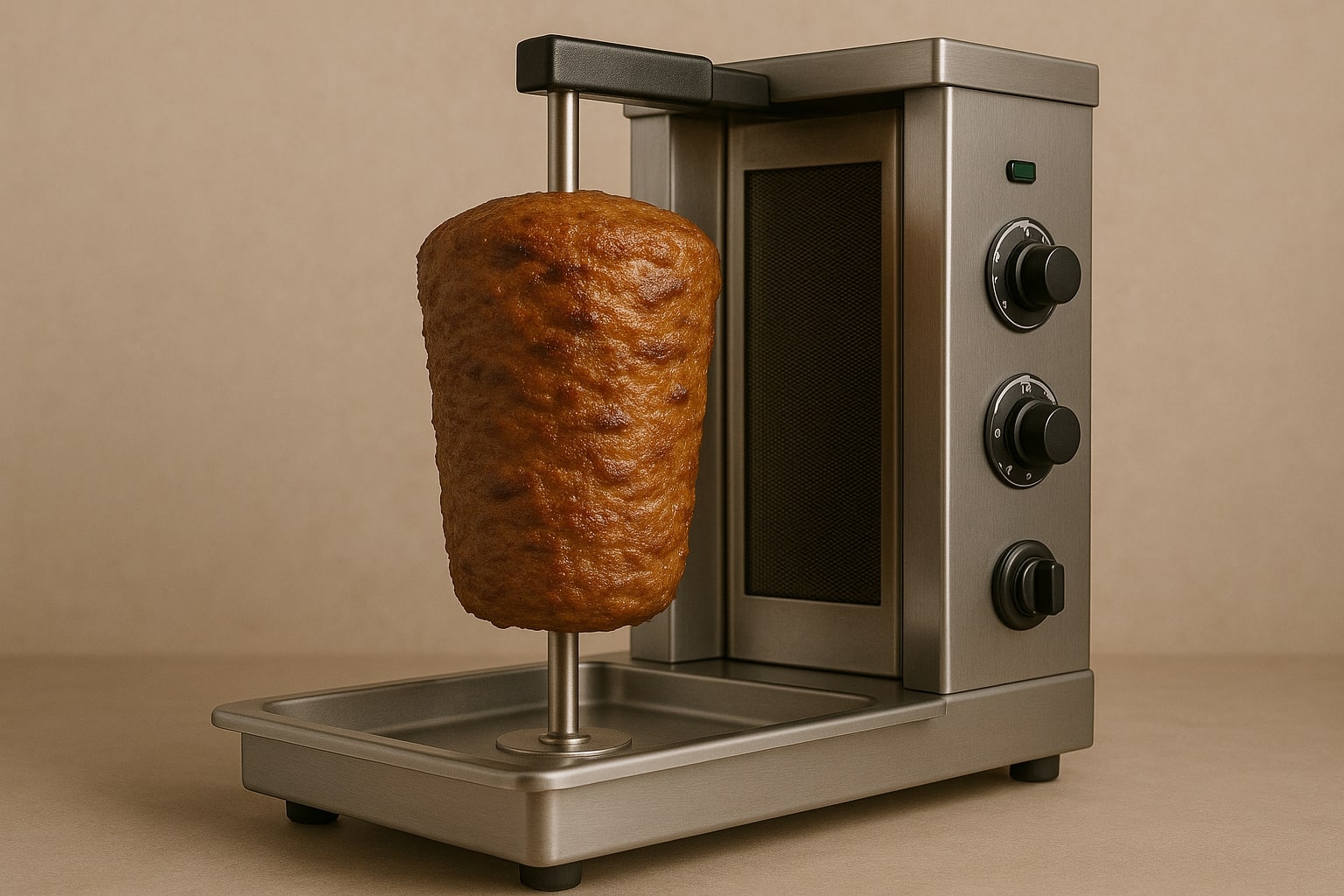
Modern electric doner machines are equipped with a range of system features that enhance reliability and user control. These include digital thermostats, programmable timers, and automated shut-off functions that prevent overheating and reduce the chance of human error. Such features are especially useful in fast-paced environments, where operators need consistent results without closely monitoring the process.
Reliable motor systems ensure smooth and continuous rotation of the meat, which is crucial for uniform cooking. Additionally, many models come with dual motor systems—one for the skewer and one for the heating element movement—allowing for better control over heat distribution and meat exposure.
Safety is another essential aspect of system reliability. Overheat protection, insulation layers, and secure power switches are standard in most high-end models. Some machines even include safety interlocks that disable operation if components are not properly positioned. These features not only protect the equipment but also safeguard the staff working around it.
Ultimately, reliable system features contribute to consistent cooking quality, improved safety, and overall kitchen efficiency.
Easy-to-Clean Design
Hygiene is non-negotiable in any food preparation area, and electric doner machines are designed with this priority in mind. Most units feature smooth, stainless steel surfaces that are easy to wipe down and resistant to staining. Components such as drip trays, skewer holders, and side panels are usually removable, allowing for quick cleaning after each use.
Key cleaning-friendly design features include:
- Removable drip trays that catch excess fat and juices, reducing mess.
- Non-stick coatings on meat contact surfaces for easy residue removal.
- Rounded edges and seamless welding that prevent dirt and bacteria buildup.
- Tool-free disassembly for faster maintenance and sanitation.
Many commercial models are also compatible with standard kitchen cleaning agents and can be safely sanitized without risk of damage. This ensures the machine not only stays visually clean but also meets food safety regulations.
An easy-to-clean design not only saves time during busy shifts but also extends the machine’s lifespan by preventing corrosion and buildup. For businesses that rely on hygiene, speed, and daily usage, doner machines with practical cleaning features are a critical investment.


