


 Home Page


 0850 480 80 84


How to Use a Gas Range?
22.10.2025A gas range is one of the most efficient and preferred cooking appliances in both home and professional kitchens...
A gas range is one of the most efficient and preferred cooking appliances in both home and professional kitchens. It offers instant heat control, consistent temperature, and versatility that makes meal preparation easier and faster. Understanding how to use a gas range properly not only enhances cooking performance but also ensures safety and energy efficiency.
What Is a Gas Range?
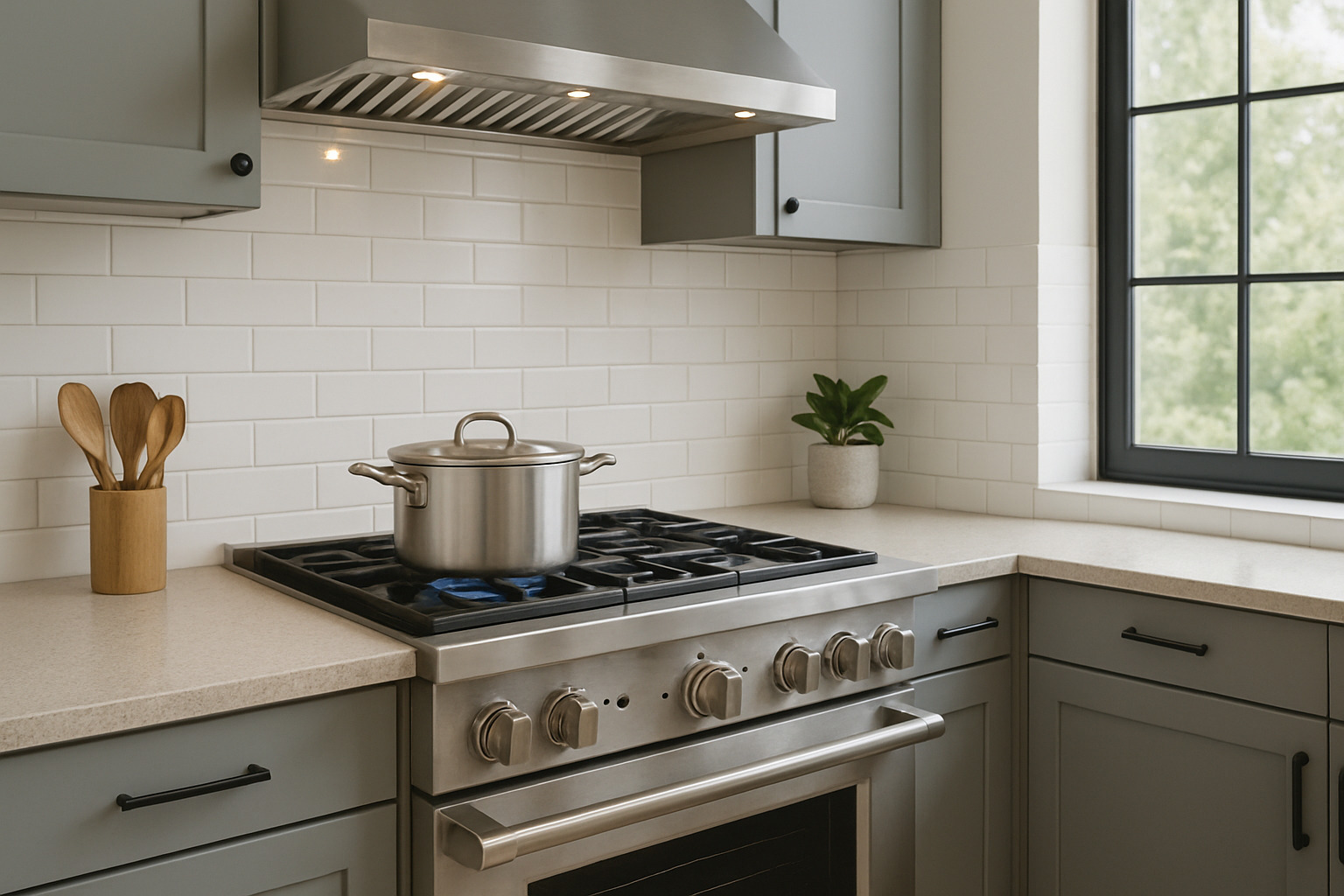
A gas range is a kitchen appliance that combines a cooktop and an oven, both powered by natural gas or propane. The cooktop features burners for stovetop cooking, while the oven is used for baking, roasting, and broiling. Gas ranges are widely used due to their ability to deliver quick, even heat.
Unlike electric ranges, gas ranges rely on combustion. When you turn the control knob, gas flows through a valve and ignites through a spark or pilot flame. This results in a flame that can be instantly adjusted to your desired temperature, giving you direct control over the heat level.
Gas ranges are ideal for cooks who value precision, as they allow fine adjustments for delicate dishes like sauces or stir-fries. Additionally, they continue to operate during power outages—making them a reliable choice in any kitchen.
What Makes a Gas Range Different?
The biggest distinction between gas and electric ranges lies in heat source and control. Gas ranges produce heat through open flames, while electric models use heated coils or induction technology. This difference affects how food cooks and how quickly you can adjust the temperature.
A gas flame heats cookware directly, resulting in faster response times. For example, when you lower the heat, the temperature drops immediately—unlike electric ranges where residual heat lingers. This makes gas ranges more responsive and energy-efficient for many types of cooking.
Moreover, gas ranges often feature visible flames, allowing cooks to visually gauge heat levels. This intuitive control is one reason why professional chefs often prefer gas over electric alternatives.
What Are the Features of a Gas Range?
Modern gas ranges come equipped with features that improve safety, convenience, and performance. Below are some key features you’ll find in most models:
- Sealed Burners: Prevent spills from entering the internal components, making cleaning easier.
- Continuous Grates: Allow easy movement of pots and pans between burners without lifting.
- Electronic Ignition: Replaces the old pilot light system, reducing gas consumption.
- Convection Oven: Ensures even baking through a built-in fan that circulates hot air.
- Safety Valves: Automatically shut off gas flow if the flame goes out unexpectedly.
Some advanced models also include self-cleaning functions, digital temperature control, and Wi-Fi connectivity for remote monitoring—adding a touch of smart technology to traditional gas cooking.
How Does a Gas Range Work?
A gas range operates on a simple but effective principle: controlled combustion. When you turn the burner knob, gas flows through a small pipe to the burner head. A spark or standing pilot light ignites the gas, producing a steady flame. The size of this flame is adjusted by controlling the amount of gas released through the valve.
Inside the oven, the same principle applies. The gas ignites through a burner located either at the bottom (for baking) or top (for broiling). Many modern ranges use thermostats to maintain precise temperatures during cooking, ensuring consistent results.
Proper ventilation is crucial, as burning gas releases carbon dioxide and small amounts of carbon monoxide. Therefore, make sure your kitchen has adequate airflow or an exhaust hood to maintain safe air quality.
Where Is a Gas Range Used?
Gas ranges are versatile and used in various settings—from home kitchens to professional culinary environments. Below are common usage areas:
- Residential Kitchens: Favored by home cooks for quick heat adjustment and cost-effective operation.
- Commercial Kitchens: Used by chefs who need precise heat control for large-scale food preparation.
- Outdoor Cooking Stations: Portable gas ranges are great for catering events or camping setups.
In urban apartments, natural gas connections make installation straightforward, while in rural areas, propane tanks serve as an alternative. Regardless of the setup, regular maintenance—like cleaning burners and checking for leaks—is essential for safe operation.
Learning how to use a gas range effectively allows you to cook with confidence and precision. By understanding its features, operation, and maintenance needs, you can enjoy efficient performance and delicious results every time you cook. Whether you’re searing, simmering, or baking, a gas range offers unmatched control and reliability in your kitchen.


